How to Reduce Unplanned Downtime in Crushing and Screening Plants? Maintenance and Automation Checklist
Crushing-Screening ...production continuity in these plants directly determines overall plant efficiency. An unplanned stoppage does not merely halt the operation of a single machine; it impacts the entire chain of feeding, crushing, screening, and conveying processes. Consequently, businesses face production losses far exceeding the duration of the downtime itself. Moreover, frequent breakdowns drive up maintenance costs. However, a proper maintenance plan significantly mitigates these risks. Additionally, an automation system continuously monitors equipment behavior. This allows the technical team to intervene before a malfunction escalates. At Metkan, Crushing-Screening we do not evaluate plants solely based on individual machine groups; instead, we treat the entire production line as a single, integrated process. Because high facility efficiency requires the right equipment, regular maintenance, and a robust automation infrastructure working in tandem. When businesses manage these three areas correctly... reduces unplanned downtime and strengthens production continuity.
Why Is Unplanned Downtime Significant in Crushing and Screening Plants?
Unplanned downtime directly disrupts the production schedule. For instance, an issue with the crusher causes the feed line to stop; consequently, screens and conveyors are unable to continue production. As a result, a seemingly minor malfunction reduces the capacity of the entire line. Furthermore, the facility requires additional operating time to meet the same production targets, which increases energy consumption and personnel costs. Additionally, equipment in plants experiencing frequent stoppages is subjected to unstable operating conditions. Constant starting and stopping cycles place extra stress on mechanical components. Therefore, unplanned downtime signifies more than just a loss of production; it also impacts maintenance budgets, energy costs, and delivery schedules. For this reason, businesses should not view downtime merely as a malfunction; instead, they should track downtime data as a key indicator of plant performance.
Establish a Regular Maintenance Plan
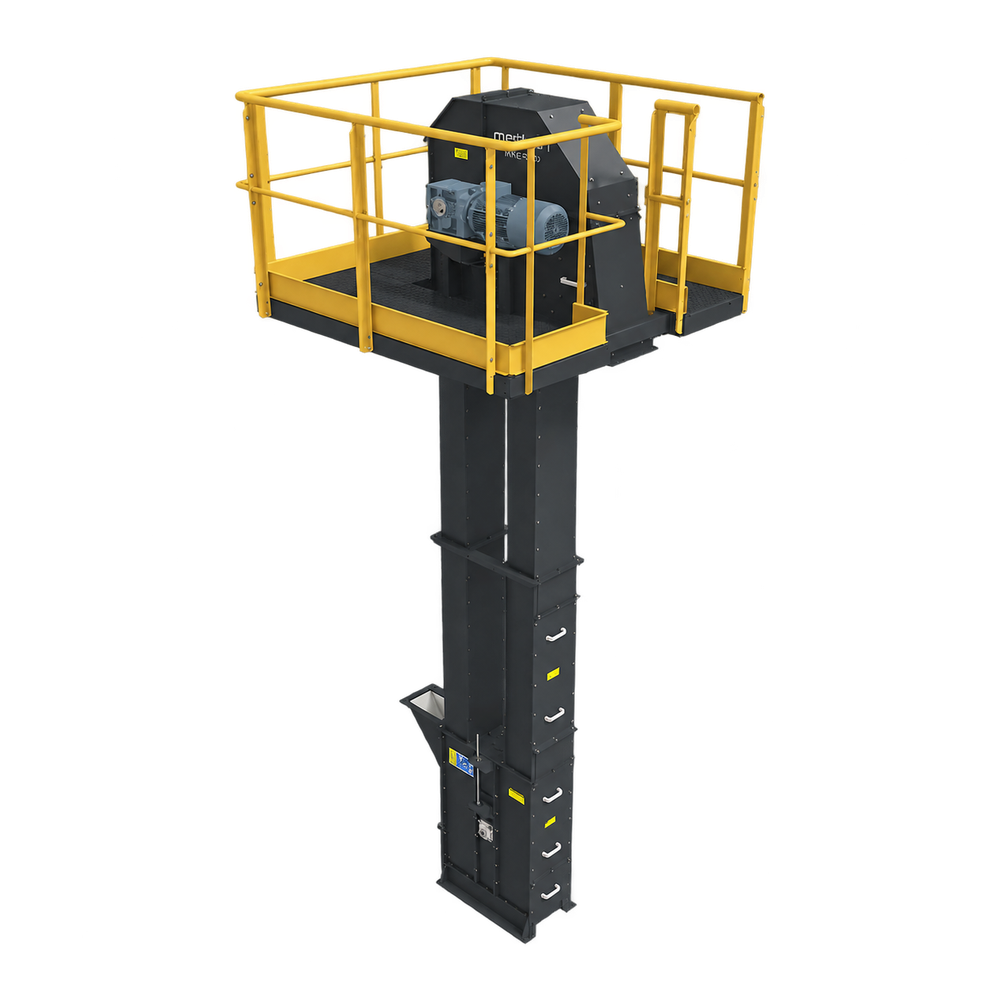
Regular maintenance is the first step toward reducing unplanned downtime. The maintenance team must establish specific inspection intervals for each piece of equipment, as crushers, screens, conveyors, and elevators operate under different conditions. For example, in a hammer crusher, wear parts affect product size and capacity, whereas rollers, belt tension, and pulley alignment play more critical roles for conveyors. Consequently, a single, generalized maintenance program will not yield adequate results. Instead, the facility should prepare equipment-specific checklists. Additionally, the maintenance team must take into account operating hours, load rates, and material properties. This allows the team to establish maintenance intervals suited to actual operating conditions. Regular inspections reveal minor issues at an early stage. Consequently, the technical team resolves malfunctions during scheduled maintenance rather than during production. This approach both controls maintenance costs and strengthens production continuity.
Closely Monitor Crusher Wear
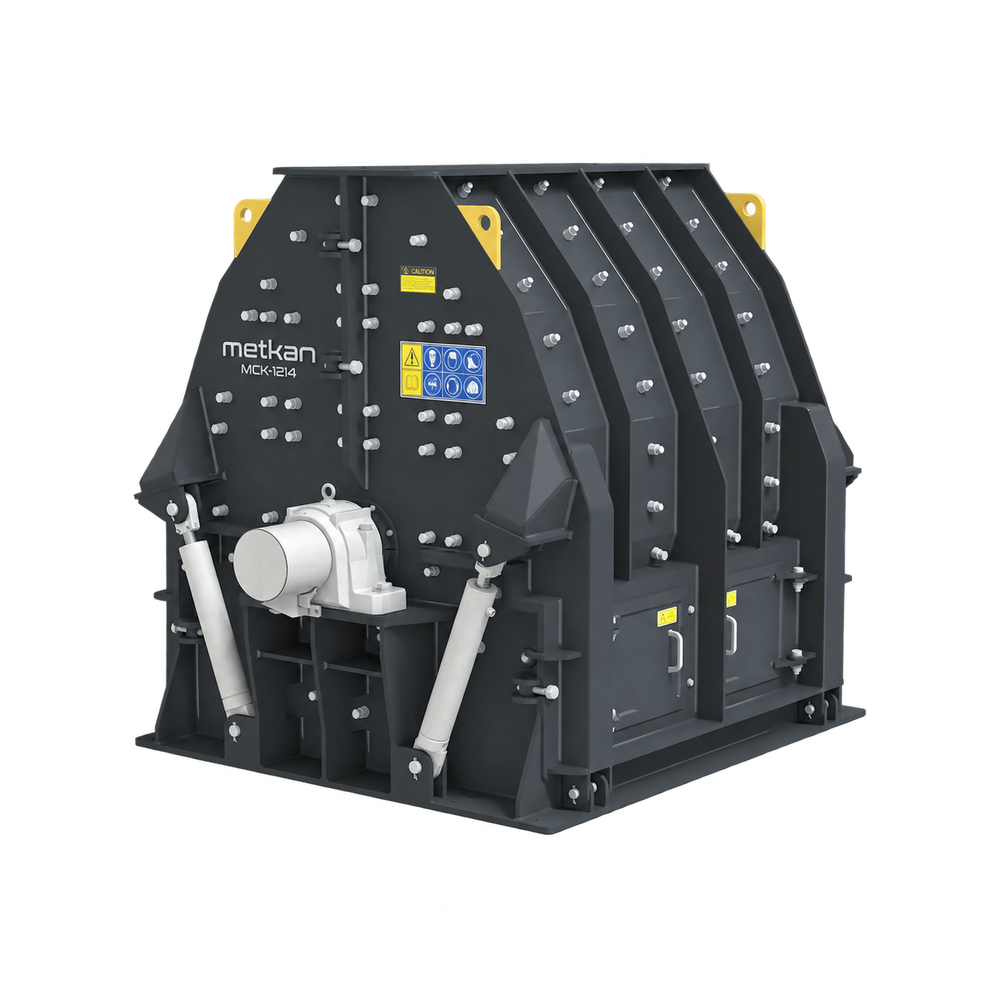
Crushers, Crushing-Screening It is among the equipment in the facility subjected to the heaviest mechanical loads. Therefore, wear monitoring is critical for managing unplanned downtime. Hammers, rotor components, liners, and screen surfaces lose performance over time. As wear progresses, the machine consumes more energy to produce the same output. Additionally, crushing capacity decreases, and the product particle size distribution changes. At this stage, the maintenance team should not simply wait for the part to wear out completely; instead, they should perform regular measurements and track wear trends. For instance, the team can record changes in hammer thickness in maintenance logs, thereby scheduling part replacements in alignment with the production plan. Furthermore, parameters such as vibration and motor current provide early warning signs of mechanical issues. At Metkan, we prioritize maintenance accessibility during system design, enabling facilities to manage inspection and part replacement processes more efficiently.
Do Not Neglect Belt Conveyor Checks
Belt conveyors It connects the material flow within the facility; consequently, even a minor issue with the conveyor can impact the entire production line. Belt misalignment, incorrect tension, bearing issues, and pulley misalignment are among the common causes of downtime. First, the maintenance team must regularly check belt centering. Next, they should inspect the free rotation of rollers and bearing temperatures. Tears on the belt surface must also be detected at an early stage, as minor surface damage can quickly escalate into a major problem. Additionally, material spillage places strain on the conveyor system; accumulated material impedes roller movement and alters the belt's path. Therefore, regular cleaning is just as important as mechanical maintenance. Incorporating these checks into the shift routine reduces unexpected conveyor stoppages. It also stabilizes material flow.
Continuously Monitor Screen Performance
The screening stage directly impacts product quality and line capacity. Clogging or damage on the screen surface can quickly disrupt material flow, causing an excessive buildup of product on the screen. Consequently, downstream equipment begins operating under unbalanced loads. Therefore, operators must regularly observe the screen surface and monitor changes in vibration characteristics. Sounds deviating from the norm can also serve as early indicators of mechanical issues. Furthermore, incorrect screen aperture sizes lead to capacity problems; apertures that are too small hinder material passage, while incorrect product distribution affects subsequent processes. Thus, the operation must select the screen based on the target product size and balance the feed rate with the screen's capacity. Regular inspections allow the team to detect clogging or mechanical issues before they escalate, ensuring more stable production line operation and consistent product quality.
Maintain a Balanced Feed Rate
Irregular feeding Crushing-Screening is the root cause of many problems in processing plants. Sudden material surges strain the crusher and spike motor current, while insufficient feeding prevents the equipment from operating at full capacity. Therefore, the plant must ensure a continuous and balanced flow of material to the crusher; the feeder system plays a critical role in this regard. The automation system It can control the feed rate by monitoring motor load. For instance, when the crusher load increases, the system reduces the feed rate. When the load returns to normal, the feeder speeds up again to the appropriate level. This protects the crusher from sudden load fluctuations. Furthermore, consistent feeding positively impacts the performance of screens and conveyors by ensuring a more stable material flow along the line. Consequently, the operation optimizes capacity utilization while reducing mechanical stress. Therefore, feed control is one of the key process steps that reduce unplanned downtime.
Monitor Motor Current and Energy Consumption
Electric motors provide valuable information regarding the equipment's operating conditions. In particular, sudden spikes in motor current can indicate an increase in mechanical load. Therefore, an automation system Motor currents should be continuously monitored. For instance, if a crusher draws more current than usual, it may indicate overfeeding. Similarly, bearing issues or mechanical binding can increase the motor load. If the technical team detects this change early, they can inspect the equipment in a controlled manner, thereby preventing a serious breakdown. Furthermore, long-term changes in energy consumption also signal a need for maintenance; equipment consuming more energy for the same production output may be experiencing a loss in performance. At this stage, the maintenance team should check for wear, friction, and mechanical settings. Consequently, energy data should not be used solely for cost analysis; the facility should treat these values as a vital component of its predictive maintenance strategy.
Monitor Vibration and Temperature Values
Vibration and temperature readings provide early warnings regarding the mechanical condition of rotating equipment. Bearing wear, balance issues, or misalignment often alter vibration levels. Likewise, increased friction causes bearing temperatures to rise. Therefore, the facility must regularly monitor vibration and temperature on critical equipment. First, the team should establish baseline operating values, then compare new measurements against these references. This makes it easier to detect even minor changes. Additionally, an automation system alerts can be issued to the operator when established limits are exceeded, allowing them to inspect the equipment before a complete shutdown occurs. This approach offers significant advantages, particularly for crushers, screens, conveyor drive units, and elevators. However, trend analysis yields more accurate results than relying on a single measurement, as trend data reveals the rate at which a problem is developing. As a result, the team plans maintenance schedules more accurately and reduces unexpected mechanical breakdowns.
Configure Automation Alarm Systems Correctly
The automation system It should not merely start and stop machines. A well-designed system also continuously analyzes the facility's operating conditions. Therefore, the alarm structure plays a vital role in managing unplanned downtime. However, an excessive number of unnecessary alarms distracts the operator. Conversely, poorly defined alarms can lead to critical issues going unnoticed until it is too late. Consequently, the facility should establish alarm levels based on the degree of risk. For instance, the system might issue a warning when the temperature begins to rise, and then initiate an automated controlled shutdown process once the value reaches a critical level. Furthermore, the system must maintain a record of alarm history. By examining these records, the technical team can identify recurring issues, thereby investigating not just the outcome, but the root cause of the problem. Metkan In our automation solutions, we take the entire process into account. This approach enables the operator to manage the facility with greater control and respond more quickly to malfunctions.
Plan for Critical Spare Parts in Advance
Even if the maintenance team identifies a fault quickly, the facility cannot resume production without the necessary spare parts. Therefore, the management of critical spare parts directly impacts downtime. The facility should first identify parts with long lead times. Next, it should categorize parts that could cause a complete production stoppage into a separate group. Bearings, sensors, belts, and certain wear parts might be included in this list. However, excessive inventory also increases operating costs. Therefore, maintenance records provide valuable data for inventory planning. By tracking which parts are replaced and how frequently, the team can determine more accurate inventory levels. It is also beneficial to establish minimum stock thresholds for critical parts; the procurement process should be initiated immediately whenever inventory falls below this level. This ensures the business does not have to wait for lead times during a breakdown. Ultimately, a proper spare parts plan accelerates maintenance interventions and significantly reduces unplanned downtime.
Make Operator Checks Part of the Daily Routine
Automation provides a robust monitoring system; however, the daily observations of experienced operators also offer valuable insights. Operators can detect subtle changes in machine sound, vibration, or material flow at an early stage. Therefore, the facility should implement a brief inspection routine at the start of each shift. Operators should first check safety equipment and guards, then observe the general condition of belts, crushers, and screens. Any issues—such as oil leaks, loose connections, or abnormal noises—must be reported to the maintenance team. Additionally, operators should monitor motor loads and the alarm display during production. This allows automation data and field observations to be evaluated together, enabling the maintenance team to make more accurate decisions. Regular operator inspections prevent minor issues from escalating and help staff become more familiar with equipment behavior. Consequently, a culture of daily inspection directly supports plant reliability.
Crushing and Screening Plant Maintenance and Automation Checklist
To reduce unplanned downtime,the maintenance team must establish a regular and measurable inspection system. First, crusher wear parts and connection points should be checked. Next, screen surfaces, the vibration system, and motor parameters must be examined. For conveyors, belt alignment, tension, rollers, and pulleys require monitoring. The team should also record bearing temperatures and any abnormal vibrations. On the automation side, it is necessary to verify that sensors are transmitting accurate readings. Furthermore, the alarm history should be analyzed regularly; rather than simply resetting recurring alarms, the technical team should investigate their root causes. Critical spare part inventories should also be checked at regular intervals. Operators must also perform visual and auditory checks at the start of their shifts. This allows the operation to manage maintenance activities not merely as a reaction to breakdowns, but as a natural part of production. Ultimately, this discipline reduces the risk of unplanned downtime and makes plant performance more predictable.
More Reliable Crushing and Screening Plants with Metkan
A high-efficiency crushing and screening plant does not consist solely of powerful machinery; it is equally important that the equipment operates in harmony with matched capacities. Therefore, at Metkan, we evaluate the feeding, crushing, screening, conveying, and automation processes holistically in our projects. We begin by analyzing material properties and target capacities, then determine the equipment configuration required for the process. We also plan the automation infrastructure based on the plant's operational scenario, enabling operators to monitor critical values more easily and respond quickly to potential issues. Furthermore, maintenance access and equipment layout impact plant availability; the right engineering approach reduces maintenance time and supports production continuity. Ultimately, businesses require not just high capacity, but sustainable capacity. Metkan as Crushing-Screening We support this goal in their plants through reliable equipment, process engineering, and automation solutions.
Frequently Asked Questions
What is the most common cause of unplanned downtime in a crushing and screening plant?
There is no single cause for unplanned downtime. Worn parts, bearing issues, uneven feeding, and conveyor belt problems are frequently encountered causes. In addition, inadequate maintenance and incorrect automation settings increase the risk of downtime. A regular inspection program identifies most of these issues at an early stage.
How often should crusher maintenance be performed?
The maintenance interval is determined by the equipment's operating time, material characteristics, and load rate. Therefore, not every facility should use the same maintenance schedule. The maintenance team should evaluate the manufacturer's recommendations alongside operational data. Furthermore, they should optimize the maintenance interval over time by keeping records of wear measurements.
How does the automation system reduce unplanned downtime?
The automation system It monitors motor current, temperature, vibration, and sensor data. This allows the operator to detect deviations from normal operating values early on. Additionally, the system supports rapid intervention by triggering alarms at critical levels. Accurate alarm scenarios help prevent serious equipment damage.
How can belt conveyor failures be prevented?
The maintenance team must regularly check belt alignment, tension, rollers, and pulleys. They must also clear away any material accumulation around the belt. Operators should notify the maintenance team if they notice slippage or abnormal noises during operation. This routine prevents minor issues from escalating into major breakdowns.
Why is vibration monitoring important?
Changes in vibration can indicate early signs of mechanical problems. Imbalance, bearing wear, and misalignment affect vibration levels. When the technical team takes regular measurements, they can detect these changes sooner, allowing them to schedule maintenance interventions before unplanned downtime occurs.
Is a spare parts inventory necessary for a crushing and screening plant?
Critical spare parts directly impact the time it takes for the plant to resume production. Therefore, the facility should establish minimum stock levels for parts that could halt production. However, excessive inventory creates unnecessary costs. Maintenance history and parts consumption data help in creating the most accurate inventory plan.
Is it possible to completely eliminate unplanned downtime?
Every mechanical system carries a certain risk of failure. However, operations can significantly reduce this risk through regular maintenance, proper automation, and effective operator checks. Furthermore, analyzing past failures reveals the root causes of recurring issues, enabling the facility to achieve a more reliable operational standard over time.
Strengthen Production Continuity in Your Crushing and Screening Plant
Reducing unplanned downtimedoes not simply mean responding faster to breakdowns. Selecting the right equipment, performing regular maintenance, and utilizing a robust automation infrastructure allows issues to be managed at the source.
Metkan as Crushing-Screening We develop efficient and sustainable process solutions tailored to your production targets. To maintain your facility's capacity and reduce unplanned downtime, our expert team contact us.